Don’t Miss This Book!
April 15th, 2019 // 9:44 am @ Oliver DeMille
A Note from Oliver DeMille…
Summer – 1985 or 1986: I couldn’t believe it. I found myself holding my breath. Hanging on every word, page after page, waiting to see if freedom would be lost forever… Could they fix it? Or was it too far gone? And how could they get back their freedoms if they waited any longer?
I was a teenager at the time, and I had no idea that I would eventually dedicate much of my adult life to studying and promoting freedom, and the great principles upon which freedom is based.
But I don’t think I would have become a serious student or promoter of freedom without reading two books – both of which made me fall head-over-heels in love with freedom, and inserted deeply into my heart and mind why it matters.
The two books were The Alliance by Gerald Lund and The Making of America by [the man who later became my personal mentor] Cleon Skousen, and they changed my life. I truly came to love freedom as I read them during one hot summer in the family home where I grew up.
The Battle for our Youth
Today I look around at the rising generation – over 50% of whom (in the United States) say they like socialism. I look at the lack of interest in freedom among so many young people, and I worry about the future. After all the blood and tears that the Founders, pioneers and so many soldiers paid for our freedoms, why can’t everyone see how important this is? We can’t remain free if the youth don’t care about it, or if they think socialism is a better path. But just caring about freedom isn’t enough. We need the younger generation to truly fall in love with freedom.
Nothing else will prepare them to be the kind of people who stand up for freedom and right and make sure it isn’t lost.
I’m writing today to highly recommend a new book that I believe will have the same kind of impact on those who read it – inspiring them to fall deeply in love with freedom. Or, if they already care about freedom, as many do, to love and cherish it even more.
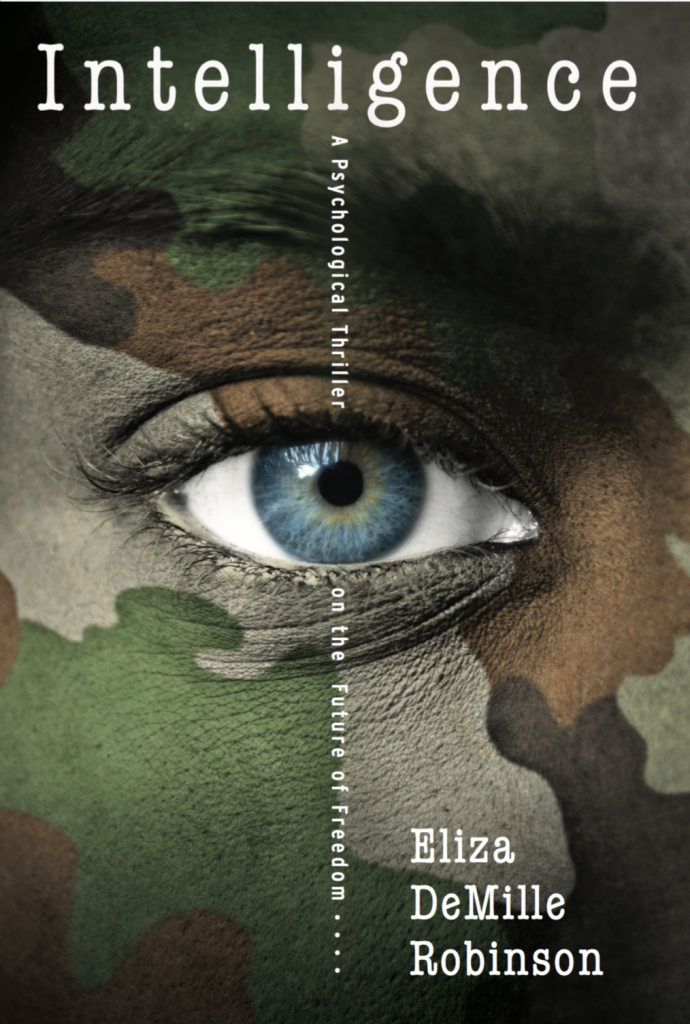
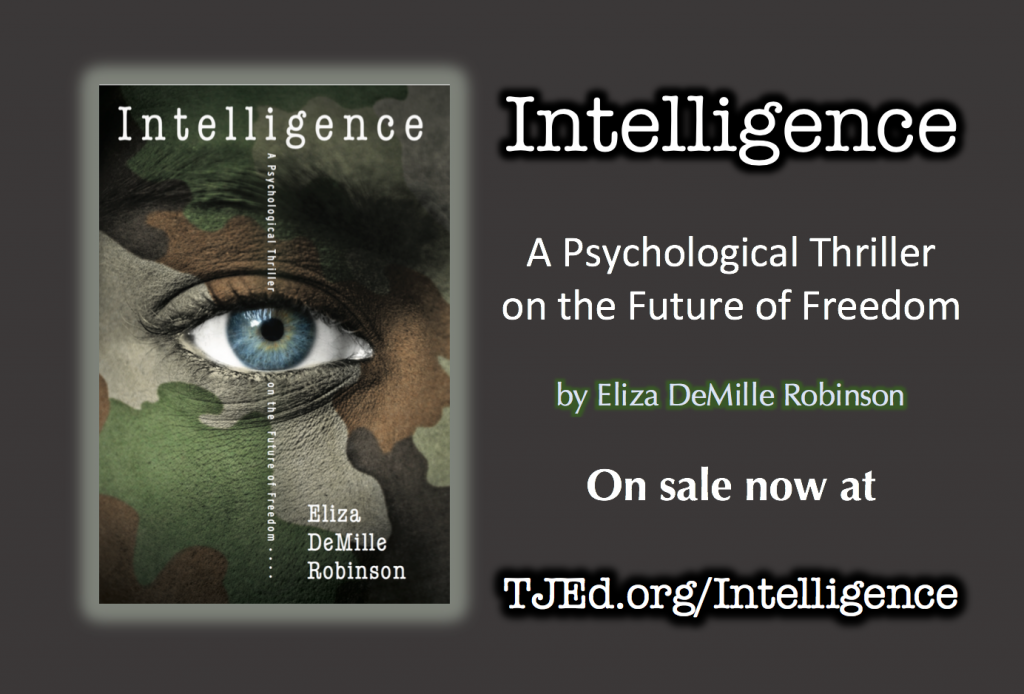
The book is Intelligence, written by Eliza DeMille Robinson, my daughter and mentee during over 20 years of personalized homeschool mentoring.
This is a dystopian novel, with real answers for the real world – plus a bit of an epic on the future of freedom, and a truly excellent read. I smile as I review it, seeing the years of study in history, leadership, freedom, government, literature, classics, science and other books with discussions!
I see all that she discovered – we discovered together – now poured into the plot and characters. The book depicts a near-future world torn apart by the battle between freedom and socialism, and paints a realistic and challenging picture of where we may be heading in our modern society if the conveyor-belt system of education keeps expanding at its current pace!
It speaks directly to people today, both those in the rising generations and their parents. It is a powerful message for this time, our specific time, in history.
TJEd is proud to promote this important new book, because we consider Intelligence a must-read for anyone who loves freedom, great education, and sees the increase in value and need for Leadership Education in our world today.
Eliza has been writing and rewriting this book for five years, and I have watched it develop from a good idea into a solid story by a student, then into an excellent book in its own right–and, during the last year, into a truly great book with an important message for everyone in our current generation.
It’s exciting to now see it published. I think this book is especially powerful for today’s youth, to help them value freedom, love learning at an even deeper level, and actually fall in love with freedom–something that is increasingly and tragically rare in the rising generation.
This is a great book, a life-changing book! We are proud to promote it to everyone who cares about the direction modern education is too often taking many families and our world, and all who care about the freedoms that are being lost almost daily.
Don’t miss this great book – for youth, for parents, and the whole family. The time for such a story is now, while we can still make a difference for freedom.
Prepare to be inspired…
January 2019: I realize that once again I’m holding my breath, caught up in the intensity of the story. This feels just like it did back then. I inhale deeply as I turn the page; then as I read about dear Brianna’s decision, the tears come. Then the sobs; my mind is reeling. I keep thinking: freedom is worth it. So worth it. I wipe away the tears and keep reading…
What are readers saying?
“A dystopian novel worthy of sitting beside titles like The Hunger Games and The Giver, Intelligence tells a story that is crucial to our rising generation. Excellent for teens and adults, its deep and plentiful messages remind readers about the impact of our current decisions on our future, providing hours of discussion time after just a single chapter!”
~Jonathan D. Martin, 14yo TJEd High student
“I’m a huge fan of dystopian fiction. Intelligence goes even a step above and beyond what we have read in current fiction. It not only has an original and intriguing plot, but it illustrates true principles to keep our country free. This is must read for my teens! Robinson is a captivating author. I look forward to reading much more of her work!”
~Toni Nelson
“Deeply thought provoking, couldn’t put it down, then couldn’t wait to discuss it with friends and family! So much here: what a personal life mission looks like, how it is discovered; the basic premise of freedom on all levels from national/governmental to individual/personal; sacrifice and what is worth the sacrifice; what is good, what is evil and what determines that all wrapped up in a captivating, moving storyline. ”
~Sarah Teichert
“More than anything, Intelligence, By Eliza DeMille Robinson, whet my palate for more! In this first book, you get a thrilling journey through the souls of unique and interesting individuals as they discover what is worth fighting and sacrificing for. The individual, the collective, the very state of the world hangs in the balance as the dedicated few battle for freedom, truth, and all that is right and worthy in the world. It’s a bit dystopian, a bit sci-fi, a bit coming of age, a bit a hero’s tale, a bit treatise on the future of the human race! The world Eliza builds will all ring a bit disturbingly true and you’ll come to take a moment to search your soul as the characters search theirs and find their true calling and power as individuals.”
~Lisa Paul
Excellent for gifting, book clubs, and family discussion! Purchase your copies today!
Category : Blog &Book Reviews &Culture &Education &Featured &Government &History &Leadership &Liberty &Mission &Politics &Statesmanship
The Jefferson-Madison Debates: What Are We NOT Teaching Today’s Youth?
February 27th, 2019 // 8:04 am @ Oliver DeMille
THE MISSING TOPIC IN MODERN EDUCATION

What Was Lost
I thought he was convinced, but then he leaned forward in his chair and shook his head. He wasn’t officially my student, but we’d had a number of mentoring discussions in recent months, and I knew from experience that he was about to say something deep.
“It’s frustrating that so many people in my generation like socialism,” he said. “But I don’t think they really understand it. They just dislike all the political division and fighting, and Bernie Sanders seemed like a third alternative.”
I nodded.
“Besides,” he continued, “I’m not actually a Millennial.”
“You’re not?” I asked…
“I’m Gen Z,” he said before I could finish. “Born after 9/11.”
I pondered that.
“We’re different from Millennials.” He paused. “A lot different.”
I could see this was really important to him. “In what ways?” I asked.
He could tell I wasn’t really buying it, and he grinned. “Well, we’re similar in a lot of ways too, I guess…” He pursed his bottom lip and cocked his head slightly to one side. “But I don’t think that’s our fault. I think the bad traits that are blamed on Millennials and Gen Z aren’t really caused by us.”
I was shaking my head at this point, so he raised his voice a bit.
“No. Seriously. This is real. You guys just don’t get it…”
“Get what?”
He sighed. “Okay, you’re not wrong. But you’re not right, either. It goes deeper than pointing out the weaknesses of Millennials. We’ve bought into some things we shouldn’t, but I blame most of it on Boomers and Gen X, on our parents and the other adults in our lives. Your generation trained us to be this way.”
My skepticism must have showed.
“Look…” he said. He was getting a bit frustrated, but he calmed himself and smiled. I could tell he had given this a lot of thought.
“Here’s the deal,” he looked at me intently. “Your generation cared a lot about raising kids. Maybe too much. They don’t call you ‘Helicopter Parents’ for nothing. But in all your hovering as parents, your generation missed something. Something big.”
I waited, not sure what to expect.
“Your generation of parents taught my generation to be good people. And you taught us to aim for success in our schooling and careers. But you didn’t teach us to be strong.”
He said the last sentence slowly, with emphasis on the words “didn’t” and “strong.” I was surprised by his words. After considering them for a moment, I realized I was hearing something important.
Making Snow
“Huh…. You might be right,” I said slowly.
“In fact, you actually avoided teaching us to be strong—in a lot of ways. If we had a chance to face a problem or struggle on our own, you jumped in and offered help. Or just told us what to do. Or told us not to worry about it, and then you took care of it.” He kept talking, without pausing: “If something seemed hard for us, you told us to drop it or avoid it. If you didn’t think we could handle it, you didn’t even let us try…
“Of course, there are exceptions. Rare parents who did it differently. Unique teachers, coaches or others who pushed us. But they are the exceptions, not the rule. “And for every demanding coach or hard teacher who pushed us there are twenty parents protecting us from those same people, telling us we don’t have listen to them or do what they say. Every time I had a demanding youth leader or coach, almost all the other adults in my life undermined them. Most kids in my generation have a habit of just ignoring anything hard—they know their parents will back them and help them get out of hard things. So they hardly ever push themselves. Why should they—when the adults are always telling them the easy way is better?”
He stopped to take a breath, but I didn’t have anything to say. I was nodding by this point, surprised at his intensity, and also the wisdom of his observations.
“You know how many adults act worried when I tell them I like martial arts, and football? And try to talk me into quitting? Also, I’ve learned never to mention that I might want to serve in the military when I’m older. That gets most adults really angry at me—like serving your country is the stupidest choice anyone could ever make…”
He cocked his head again. “Which is strange, because those same people act super patriotic when the flag is mentioned, or in church meetings around the Fourth of July. I’ve noticed that a lot of them fly flags in front of their yard. It’s weird.”
I sighed, a bit overwhelmed by his onslaught. Important thoughts, these.
“What did you say my generation teaches well, versus poorly?” I asked. I wanted to make sure I remembered it correctly.
“You’ve taught us to be good, and to seek career success. But you don’t teach us to be strong. In fact, most of the time you teach us to be weak.”
“Wow…”
He frowned. “And your generation has the audacity to point out how weak my generation is, and mock us for things like participation trophies. I mean, most of us want real trophies, at least at first. It’s the adults who told us that participation trophies are better. You teach us to be weak, you refuse to let us do hard things that build strength, and you warn us against doing anything really hard or risky in life, then you call us Snowflakes!” His shook his head in disgust.
“Okay,” I responded. “I get it. You’re making a lot of sense.” I laughed: “But calling your generation ‘Phone Zombies’, or ‘Selfie Addicts’, like some people do, is pretty accurate, right?”
He laughed with me. Then he said: “But you guys aren’t the best with phones either. Like, why does your generation answer the phone by saying ‘hello’ and acting like you don’t know who’s calling? You have the name of the caller right on your screen!”
I laughed. I had never noticed that before.
He knit his brow. “It’s basically the same thing, really. It’s pretending. Why do Boomers and Gen X pretend so much? You pretend you don’t know who is calling on the phone, but it gets worse. You pretend to know the answers, and you pretend you know so much better than us. But you don’t, not really. We didn’t elect Clinton, Obama, or Trump or Bush. You guys did that. Why?”
Opposite Lessons
I laughed again. “Good question. I don’t know if I have a good answer though. But…you don’t like any of them? I thought a lot of Millennials liked Obama?”
“Not me. But then Gen Z is different politically than most Millennials, and I’m unique even for Gen Z.”
“How are you different?”
“Easy—my parents taught me to be strong, not weak. That makes me different from a lot of people my age.”
“How did they do it?” I asked.
“My parents? Well, they did it with little things, mostly. Like…the time a sixth grader was picking on my little sister, and shoving her, and I told him to stop. He told me no, and kept shoving her. I was only in the third grade, and my sister was a first grader, but when the bigger kid didn’t stop I hit him right in the nose. Hard. He was twice my size, but I couldn’t just stand there and watch him hurt my sister.”
“What happened?”“I got in trouble, and got lectured about how nobody should ever hit anyone no matter what. I asked the principal if that applied to U.S. soldiers fighting Hitler, and he didn’t like it. He called my mom and she promised she’d read me the riot act. When I got home, my mom asked what happened. I told her everything, and when I was done she told me I did the right thing. My dad said he’d never been prouder of me in my whole life.”
“Wow,” I said. “What did the principal think of that?” “Nothing. They told me to tell him I was sorry and wouldn’t do it again. But to stop the big kid anyway if he kept picking on my sister. I asked about the principal’s threat to kick me out of school, and my parents laughed. ‘You don’t need school to learn,’ my mom said. So I kept a close eye on that kid.”
“Did he pick on your little sister again?”
“No. The boy got in big trouble. Not for picking on my sister, but for getting in a fight with me.”
“Oh, he hit you back?”
“No. He just got hit, and fell down. That’s all he did. But his parents called that a fight and grounded him.”
“Maybe the parents didn’t like that he was shoving a little first grader, and that’s why they grounded him.”
He thought about that. “Maybe. That’s not what he said, though. He said it was for fighting with me, even though all he did was fall down and cry. Either way, the boy learned the lesson to never get in a fight cause you’ll get grounded, and I learned the lesson to stand up for what’s right. We learned opposite lessons.”
“You think that made the bigger boy weaker in life?”
“No idea. We moved away a year later. But he was bullying a little kid, so maybe he needed to learn to be smarter and nicer, not stronger. But what I realized from that event is that most adults don’t want us to be strong. Some do, but most don’t. I’ve seen a lot of other examples of this through the years.”
“Like what?”
Rules and Exceptions
“Well, the biggest example is found just by comparing the way people online talk about Millennials with what my generation is taught almost every day in school. Almost every criticism of Millennials comes from following the exact same lessons we’re taught to obey in school. If we act the way our teachers tell us we’re called “good students” when we’re in school, but if we act that same way once we’re out in the workforce we’re called ‘Snowflakes,’ ‘flaky,’ ‘uncommitted,’ and things like that. It’s annoying.”
“Yeah,” I nodded again. “Makes sense. You’re told over and over not to rock the boat, so you learn to be…I’m not sure what the right word is…”
“Mediocre?” he asked, “Passive? Weak? Unfocused.”
“Okay. Is that what you think?”
“We’re the Mediocre Generation,” he nodded. “But hey, how could we be anything else? We’re told over and over that you aren’t a good person if you go after the achievement trophy by beating the other team. We’re supposed to make sure everyone does just as well as we do, even if that means losing or not trying very hard.”
“But in sports…”
“Like I said before,” he interrupted, “there are exceptions, like sports, the military, or…well, I can’t think of anything else. But only a few people get to be in competitive sports. Most of us just play sports in gym class, and it’s never about winning, always about trying less so nobody looks bad. We’re taught to relax and never try hard in anything. Never show up anyone else. Just stay in the middle of the group. Then, when we get in the workforce we’re called slackers, lacking ambition, not leaders. It’s trash. The double standard is trash.”
“Is that why you like martial arts, because you get to really do your best?”
“Yes, and no,” he answered. “In most martial arts classes, it’s the very same. I’ve had lots of martial arts teachers, because we moved a lot, but only one of them really taught us to be strong, to actually fight, to test our moves in real combat. The other classes were a lot of theory, very little actual fighting, or learning to fight. Then I got a teacher who let us get bloody, literally, because he wanted us to actually be good at what we were learning. Lots of parents pulled their kids out of the class after just one or two visits, but that teacher taught me so much more than all the other teachers combined.”
“So, you think parents should let their kids get bloody noses and bruised faces more often?”
He laughed. “That’s the kind of thing adults say when they’re going to the extreme, when they want to feel good about raising weak kids rather than letting their kid do hard things. As if those are the only two options. That’s a straw man argument.”
“But, let’s just be honest,” he continued, “If you want to be good at self defense, you’re going to have to learn to actually defend yourself. And yes, that means getting hit sometimes, enough to become good at the skill. The same thing is true in math, or history. I’m amazed at the wimpy assignments a lot of kids get in their classes. If they don’t really study, they don’t learn very much. If their studies aren’t really hard, their education ends up being pretty weak.”
The Road Less Traveled
I nodded. “Any other ways your parents taught you to be strong?”
“A lot of ways… Example was one of the most important.”
“What example did they give you?”
“Well, they built a business. They both started as employees, but early on they decided to start a business, and that made a huge difference.”
“How so?”
“Building a successful business is about as hard as anything. It’s way harder than being an employee, in most cases. I watched my parents through the lean years, building, building, sacrificing. Always sure the benefits would eventually come, but working so hard for almost no pay, year after year. By the time success really came, I was almost grown up. But I watched them struggle and keep going. Building a business from scratch is an amazing thing. It was incredibly hard, and the family members all participated in making it work. I used to be so amazed at how much extra time other dads had to spend with their kids, and how much extra money they seemed to have.
“My dad’s extra time and money all went right back into the business. And it was amazing. We all learned so much. Watching my parents do really hard things, and eventually succeed, made me realize that I can do it too. I remember teachers in school talking about how hard entrepreneurship is, and how all the students should choose an easier path and be an employee. But those teachers aren’t nearly as impressive or successful as my parents. And they don’t make nearly as much money. So I followed the harder path whenever I could. Easy isn’t the goal. It just makes you weak. Strong is so much better.”
“You’re kind of a philosopher, aren’t you?” I asked.
“Not really. But I was homeschooled during my high school years, so I learned to think about things. Not just cram for tests, or try to look good with my grades, like they wanted me to in public school. I want to really understand the things I study, but that means digging deep. Hard, serious study brings real learning. The rest is trash.”
I laughed. “So if the world homeschooled, we’d all be better off?”
“No, that’s not what I’m saying. My point is entirely different. If the world did really, really hard education, we’d be way better off. Seriously! But so many of your generation keeps telling people my age to do easy stuff—as if that’s really going to help them. Like I said, if it’s easy education, it’s mostly trash. Regardless of home school, public school, or any other kind of school. Easy is usually trash. If it’s hard, it’s more likely worth doing.”
The Problem We Missed
“You’re in college now; so do you find it harder than before?”
“Well, my classmates nearly all say it’s a lot harder than high school. But I find it easier in one way, and harder in another. The material is easy. I study a couple of hours a day, or less, and I’ve gotten mostly straight A’s all year. It’s so much easier than my teen years in homeschool. But it’s hard in a way that’s really frustrating—there is a lot of busy work that teaches me nothing, but I have to do it and show my work. I can get the right answer within thirty seconds, but I have to take 5 or 10 minutes to show the work. Ridiculous. It’s not learning, it’s rote busywork. I think the purpose is to give students something to do to prove they’re working. But it gets in the way of real learning. Too much of it is a waste of time.”
“Maybe they’re trying to make it hard for you! You said you wanted hard.”
He didn’t smile at my joke. In fact, he frowned. “Rote isn’t the same thing as hard. Rote is a cop-out. It seems hard, but you’re not actually learning much, if anything. Real ‘hard’ is way better, because you actually improve your knowledge, your skills, your ability to think and apply what you learn. Easy is the opposite of hard, but in another way rote is also the opposite of hard.”
“Interesting. Do you think college is making the same mistake you said most Boomers and Gen Xers have been making with their kids—teaching today’s youth to be good people and succeed in a career, but not to be strong? Or is it different at the college level?”
“It’s different, because they are teaching you to focus on your career, and they hardly mention being good people. That part is basically gone at the college level. But they still aren’t teaching us to be strong. It’s just as weak as in elementary and high school.”
“Really?”
“Really,” he doubled down. “The focus on career is so strong that nothing else seems to matter. They just don’t have time for being good, or becoming strong. They teach classes on ethics and legal responsibilities, but these are about the career, not actually about being good people.”
“Why do you think being strong is so important? Do you actually believe we need to teach it to all young people?”
He looked at me like I had three heads.
“Okay,” he said, “I’ll bite. If you’re not strong, you’re not actually going to be all that good in life. Not really. Not when it counts. Being truly good takes serious strength. And if you’re not strong you’re also not going to be really successful—in your career, or in your family and relationships, or in reaching your own personal goals. All of these things are hard. Those who make these things work have to struggle and overcome challenges. They face problems and roadblocks and sometimes enemies or opponents. If they aren’t strong, they don’t succeed.
“And they’ll never improve the world much. If fixing the world’s problems were easy, they’d have been solved a long time ago. My generation needs to be strong. Weakness is our biggest weakness, and being strong is our biggest need.”
Getting Started
I nodded, impressed. “You’re a unique young man,” I mused.
He took this as an affront. “Not really. There are a lot more of us than you might think. But we don’t just have to learn to become strong, like all young people did in history, we also have to unlearn all the weakness and trash the older generations have fed us…”
He sighed. “Like I said, it’s not simple. We’re kids. We want to believe what adults tell us. When we figure out that a lot of it is wrong…that makes it frustrating. It’s disappointing. And it isn’t simple to know which things to believe and which are just making us weak.”
“Which things are trash,” I said.
He smiled.
So did I. Then I said: “Next time you call I’m going to answer my phone by saying your name, not pretending I don’t know who is on the line.”
He laughed. “Good choice.”
“I don’t know why we do that…habit I guess.” I shook my head slowly. “In my day, we really didn’t know who was on the line when the phone rang.” I paused. Then: “My generation wants things to be easy, too,” I told him. “We wish we could skip everything hard. It’s not just you guys.”
“But youth have to be taught to be strong while we’re young,” he responded. “I’ve noticed that the older you get before you learn to be strong, the harder it is, and the more people try to avoid it. Parents don’t help their kids when they make things easy.”
“Really?” I pushed back. “Two year olds? Four year olds? We should have them all running marathons?”
“There you go again, making your point with an extreme example.”
I grinned. “Okay, at what age should it be hard?”
He pondered. “Well…at the age that the hard thing makes the kid strong. Some things won’t make a two-year-old strong, but will make a ten-year-old strong. There are things at all ages that will help, or hurt. But most importantly we need a different way of doing things with teens. That’s where most of the damage is done right now.”
I looked at him with quizzical eyes. “What do you need to do right now in your life that is really hard and will make you stronger, that you’re not doing yet?”
“Ah…” he relaxed and leaned back in his chair. “Now you’re mentoring me. That’s great. Thank you. Let me think about that question…”
Part II
What does each young person you mentor or parent right now need this week, or month, in his or her life, to become stronger in the right ways?
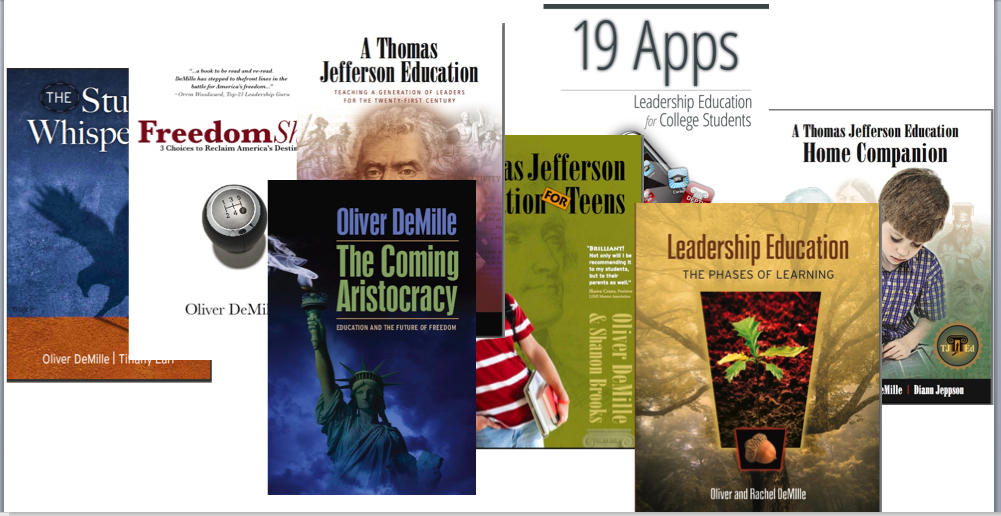
*For more on this topic and ways to educate young people for strength, get the book Hero Education, by Oliver DeMille. Available here >>
Category : Blog &Citizenship &Culture &Current Events &Education &Entrepreneurship &Family &Featured &Generations &History &Leadership &Liberty &Mission &Technology
The Jefferson-Madison Debates: The End of Elite Credibility?
January 31st, 2019 // 11:45 am @ Oliver DeMille

Thinking is Key
I recently read an excellent article that really gets to the heart of our new era—where elites in government, media, business and culture have lost much of their credibility, as the masses have lost trust in their motives and words. This is a a big shift. I don’t agree with everything in the article, but it really makes the reader think deeply about this truly important topic. It explains the Trump era, and how it is drastically changing our world, as well as anything I’ve read. This article is worth reading closely, and I hope you’ll really thinking about what it says. Here’s the link:
https://www.theguardian.com/news/2018/nov/29/why-we-stopped-trusting-elites-the-new-populism
Category : Blog &Citizenship &Community &Constitution &Culture &Current Events &Generations &Government &History &Independents &Information Age &Leadership &Liberty &Mission &Politics
The Jefferson-Madison Debates: Reopening the American Mind
September 12th, 2018 // 8:15 am @ Oliver DeMille
Challenges for the Millennial Generation (and Z)
“Miss Amelia prayed as if the Lord were ten million miles away,
and she would be surprised to pieces
if she got anything she wanted.”
—Gene Stratton-Porter, Laddie
THE PROBLEM?
 Millennials. Or, as they are frequently called by critics, the “Snowflake Generation”. Considered by some the weakest generation in the last hundred years, and criticized, fairly or not, as “the Me Me Me generation…lazy, entitled narcissists who still live with their parents”[1] until age 30 or beyond. Born after 1984, the oldest of them are 30-34, the youngest (born 9/11), sometimes called Generation Z) are still 9-17. Today’s older teens and “twenty-somethings” make up the bulk of this group. The typical introduction to Millennials and Z goes something like this:
“Millennials got so many participation trophies growing up that…40% believe they should be promoted every two years, regardless of performance.”[2]
Large numbers of them are “technology addicted” and struggle at “keeping a job or a relationship”.[3]
On university campuses, the Millennial/Z’s have headlined numerous trends hailed by critics as spreading emotional weakness. For example, though college was once applauded as a place for young people to challenge themselves intellectually and emotionally by learning a diversity of ideas, the opposite is now true. In a report aptly titled “The Coddling of the American Mind”, The Atlantic noted that in “the name of emotional well-being, college students are increasingly demanding protection from words and ideas they don’t like, and seeking punishment of those who give even accidental offense…. [It is] disastrous for education—and likely to worsen mental health on campus.”[4] Learning opposite views, and how to combat them, is increasingly absent in many classrooms and departments.
 This has gone so far that some students at Harvard Law School recently called for professors “not to teach rape law…lest it cause students distress.”[5] Even discussing or pointing out the wrong side of bad things is in many cases becoming taboo.[6] The article questioned: “What are we doing to our students if we encourage them to develop extra-thin skin just before they leave the cocoon of adult protection?”[7] Answer: training them to seek a similar cocoon even as adults, typically from the government. This is the opposite of what Thomas Jefferson believed universities should be. As the founder of the University of Virginia, he wrote:
“This institution will be based on the illimitable freedom of the human mind. For here we are not afraid to follow truth wherever it may lead, nor to tolerate any error so long as reason is left free to combat it.”[8]
The Atlantic closed this article with the following words:
“We believe that this is still—and will always be—the best attitude for American universities.”[9]
Today, in contrast, words that are considered offensive are banned from many campuses, as are many ideas or speakers who differ from the politically correct norm. Such schools, and many of their Millennial/Z students do, in fact, appear “afraid to follow the truth wherever it may lead”, or even to listen.
 Surprisingly, the military is dealing with many of the same issues. On the one hand, as James Fallows wrote in The Atlantic in January 2015: “Americans admire the military as they do no other institution. Through the past two decades, respect for the courts, the schools, the press, Congress, organized religions, Big Business, and virtually every other institution in modern life has plummeted. The one exception is the military…. In a Gallup poll last summer, three-quarters of the public expressed ‘a great deal’ or ‘quite a lot’ of confidence in the military. About one-third had comparable confidence in the medical system, and only 7 percent in Congress.”[10] In 2018 American confidence in the military is still at 74%.[11] (Confidence in newspapers is 23%, public schools 29%, banks 30%, courts 22%, TV news 20%, organized religion 38%, small business 67%, big business 25%.[12])
On the other hand, a negative term now used in some circles to describe America is “Chickenhawk Nation”, because many Americans are willing for the United States “to go to war, as long as someone else is going.”[13] While three-fourths of Americans admire the military, less than a quarter support their children joining any of the armed services.[14] Moreover, a majority of parents actively discourage or oppose military service by their own children.
Beyond this, only 29% of Millennials now meet the eligibility requirements for military service, causing shortfalls in recruiting needs.[15] And in recent years, “the number of eligible enlistees has been smaller and smaller.”[16] This is largely a matter of physical readiness—or in this case, it’s lack.[17] The snowflake trend has had a significant impact on the fitness levels of American youth.
On the political front, in the post Bernie Sanders era, many Millennial/Z’s support government-mandated free college, free housing, a monthly wage for everyone whether or not they have a job, and the appeal of “socialism.” Many even like the word or label of “socialism”, with over half of Millennials self-identifying as “socialist”.[18] But, ironically, they have little appetite for the “struggle of the working class to create a socialist society.” [19] That’s too much work. And they certainly aren’t looking for “the long revolution” to bring about socialism.[20] They just want socialist programs handed to them by big government, without the struggle, sacrifice, or effort.[21] Many Millennial/Z’s seem to feel they “deserve” such programs, without doing anything to earn them.[22]
Such young people are, in short, on a path toward something far removed from traditional American values or freedoms. They will become the biggest block of eligible voters in the 2018 midterm elections,[23] though most of them didn’t actually vote in 2016 and probably won’t until 2020 or beyond.
Is this generation exhibiting the characteristics we want for America’s future? After all, the word “generation” comes from “gene”, or “genes”. What we choose becomes who we are, and influences what we pass on to posterity.
 A more immediate question: Why are many Millennial/Z’s this way? Many analysts blame it mostly on helicopter parenting—a generation over-programmed, over-protected, promised success without sacrifice or hard work by doting parents who sheltered their children from hard things. As one report from England put it: “Millennials are struggling at work because their parents ‘gave them medals for coming last’”.[24] Of course, there are exceptions to these patterns in the Millennial/Z generation, but the trend is still sobering. A lot of Millennial/Z’s do expect college, promotions, income, work and relationships to be easy, and when they aren’t, they expect the government to intervene and somehow make things easy for them. This will certainly impact our politics and policies—and soon.
SOLUTIONS
“The government and its chiefs do not have
the powers of the mythical Santa Claus.”
—Ludwig von Mises
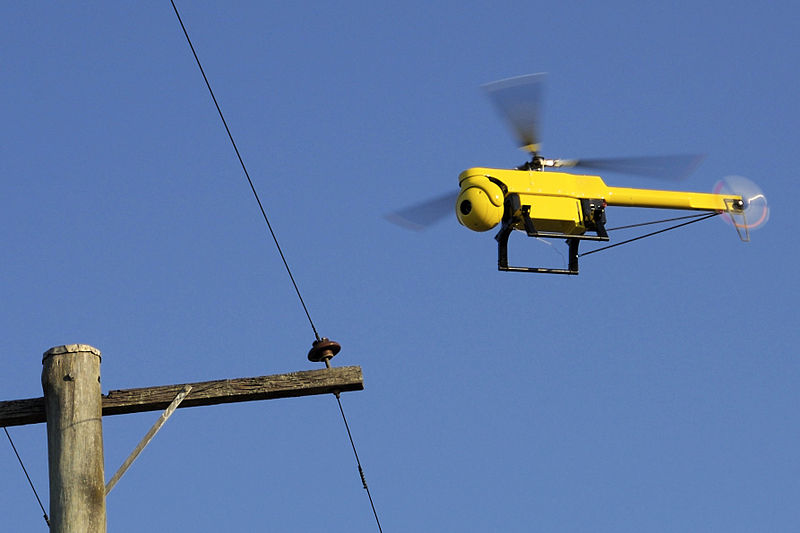 Despite the Tiger-Mom vs. Cool Mom debates,[25] many parents of Millennial/Z’s “have now realised [British spelling] that their well-intentioned parenting strategies have backfired.”[26] As a result, a number of people are trying to fix what many consider the “helicopter-parent/snowflake/wimpy-generation” debacle.
For example, in 2016 Parents.com listed the number one trend in parenting as “Saying bye-bye to helicoptering…just being more laid back when it comes to managing kids’ lives and schedules.”[27] In another trend, Free Range Parenting has recently popularized the “concept of raising children in the spirit of encouraging them independently and with [less] parental supervision”, including more “realistic personal risks.”[28]
Another example: A youth-initiated movement came from teens Alex and Brett Harris in their book Do Hard Things, which called upon youth to expect more from themselves and move past the limiting beliefs of helicopter parents. The subtitle of this book says it all: A Teenage Rebellion Against Low Expectations. In our day and age, and any other time in world history for that matter, a true “rebellion against low expectations” can only be accomplished by doing hard things, including a lot of hard work.
They wrote: “Most people don’t expect you to understand what we’re going to tell you in this book. And even if you understand, they don’t expect you to care. And even if you care, they don’t expect you to do anything about it. And even if you do something about it, they don’t expect it to last. We do.” This bestseller helped a number of Millennials embrace the idea of “doing hard things”, even in the face of a society that too often militates against teens or parents who seek—or even allow—anything difficult. Author Connor Boyack shows young people and their parents how to embrace this at an even higher level in his excellent book Passion-Driven Education.
 Despite some real progress for a few families and youth in this arena, for far too many of today’s young people the generational tide continues in the direction of easy or easier, adult-sanctioned snowflake weakness, trophies for everyone, and a culture of “blame your parents” (or your teachers, or anyone but yourself), “embrace feelings of unearned entitlement”, “turn to the government to fix anything you don’t like”, and “never take the hard path of extreme work, sacrifice, risk, and great achievement”. More and more parents are realizing the problem—the disaster, really—with this approach, and looking for an antidote.
We have personally witnessed this generational struggle as we have promoted the principles of great education in our Thomas Jefferson Education (TJEd) system. Our call for Scholar Phase, an intense teen study program of voluntarily putting in massive effort and work to earn a truly great education, is often considered unrealistic by the old guard. But it has been revolutionary and incredibly successful for those (Millennial/Z’s and parents) who have risen to the challenge.
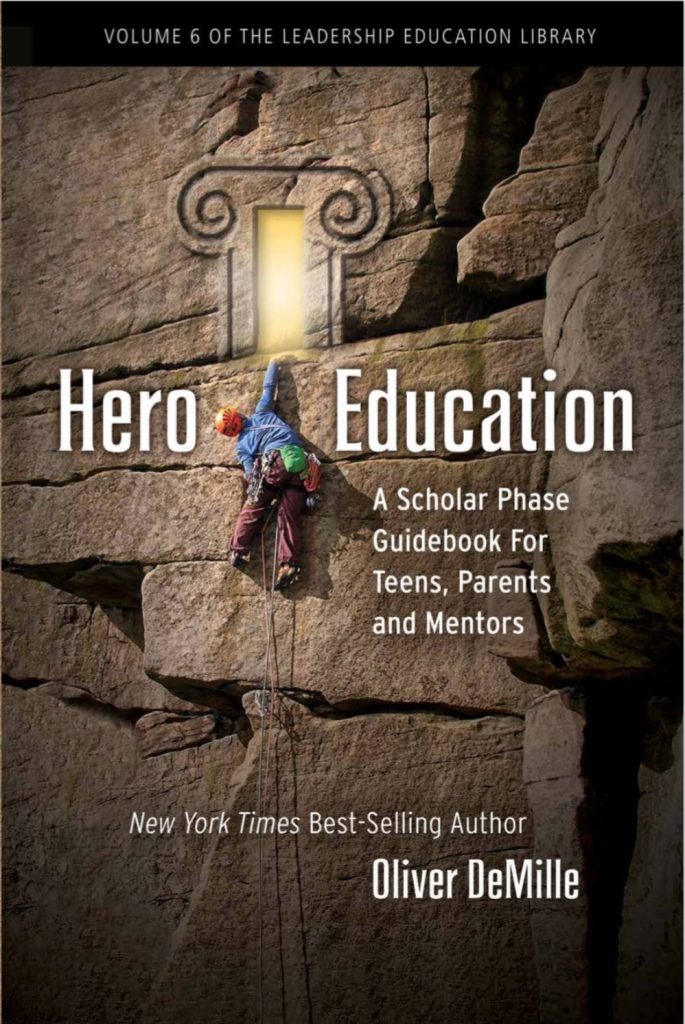
We have seen firsthand that many teens can do very, very hard things.[29] Moreover, once they get a taste for it, they frequently fall in love with the challenge.[30] This inspired me to write the book Hero Education, which builds on the theme of young people accomplishing great things by voluntary action, personal initiative, and hard work. Also, in our experience with TJEd, the best results frequently come where parents and mentors not only encourage great effort, but also lead the way—showing their teens what to do by personal example.
PART II
A RADICAL (AND SURPRISING) SUGGESTION!
“Did you ever wish with all your might that something would happen, and wait for it, expect it, and long for it, and nothing did, until it grew so bad, it seemed as if you had to go on another minute you couldn’t bear it?” —Gene Stratton-Porter, Laddie
 I recently read a report that encouraged even more success of this type. It was both intriguing and fascinating. It may be the best thing I’ve read specifically on the challenges of Millennials and Gen Z (and helicopter vs. leadership parenting) since Allan Bloom’s The Closing of the American Mind. It is found in Outside magazine, and entitled: “Rewilding the American Child.”
That’s right:
re – wild – ing
Emphasis on “wild”.
I’m so intrigued by this concept that whenever I think of it I feel this word needs a good ! ! ! to punctuate it effectively. And note that the word “rewilding” is an active verb, like learning, reading, discussing, or loving.
Or jumping, running, hiking, swimming, etc.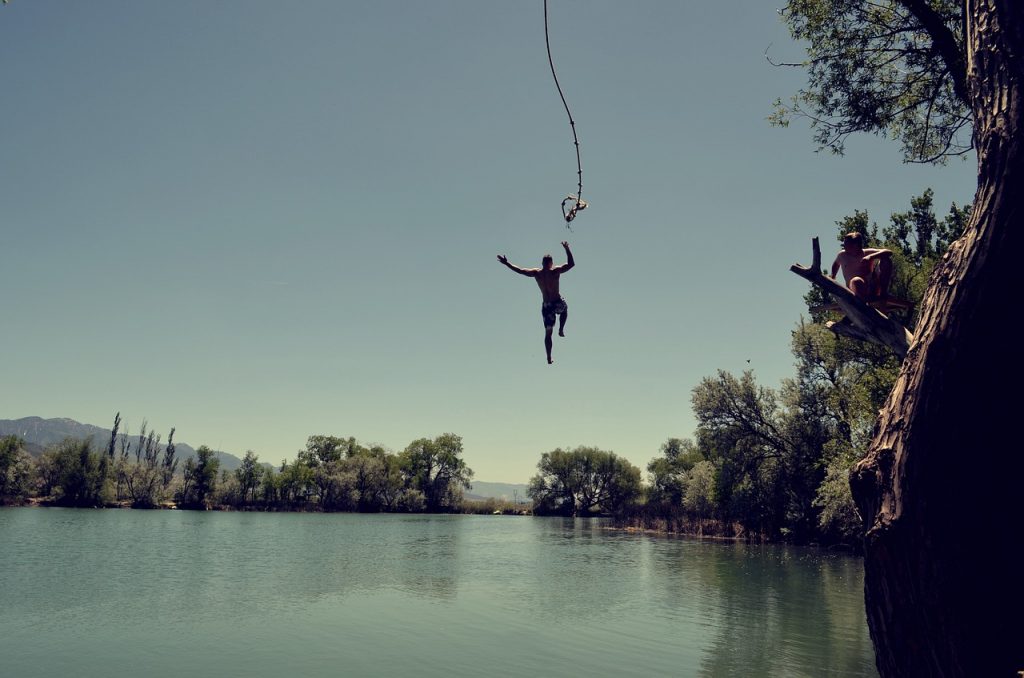
Profound.
The report begins:
“Overscheduled.
“Addicted to screens.
“It’s time to set our kids free.”[31]
Freedom. What a great idea. Especially applied to education.
Indeed, the recommendations go a step past free-range childhood—all the way to the wilds. Literally.
From the report:
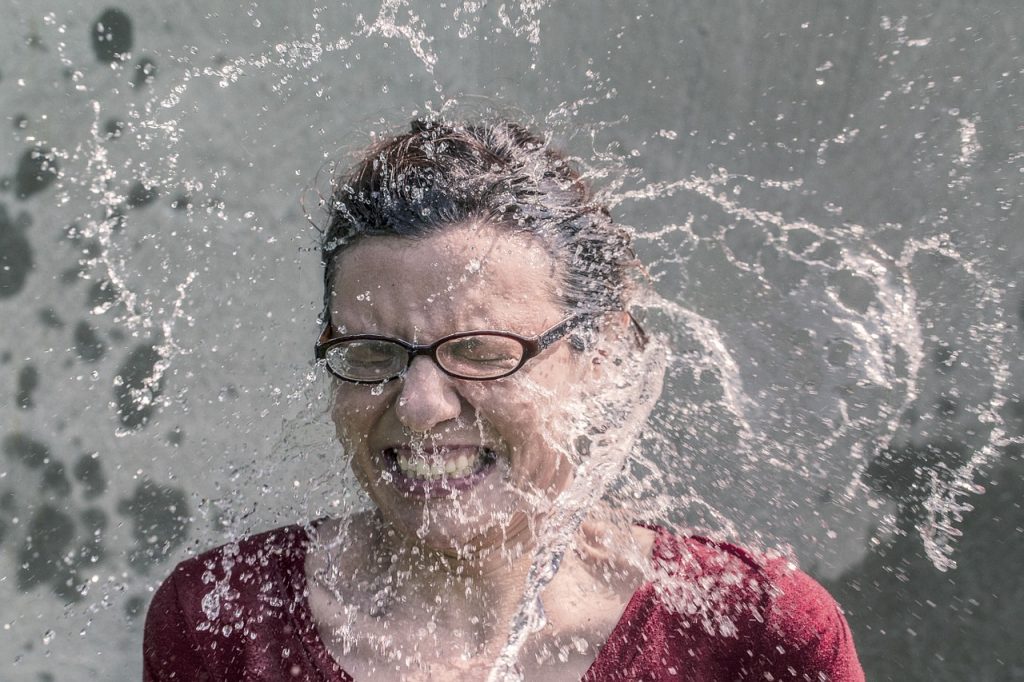 “Our children are in crisis…. creating a generation of entitled wimps…. Today, America’s kids are caught up in one of the largest mass migrations in human history: the movement indoors.”[32]
This is a momentous statement. Take a moment to re-read the last quote and let it sink in. This is big. Here’s more:
“Only recently have we begun to spend our lives penned in by walls, staring at screens.”[33]
Indeed, we’re living through a major development in human history. The full ramifications of this alteration from all past history are yet unknown, but it is already clear that the rise of institutionally-designed “wimpy-ness” is both real and, unless something changes, “the new normal.”
 The impact on society is drastic. This shift has coincided with a rise in the average age of young people becoming independent—with increased dependence in where they live, their finances, and their emotional development. In a reversal of progress, 30 is now the new 18. Adulthood is increasingly put off until later. Marriage, having children, accepting increased career responsibility—all are procrastinated by the bulk of Millennials. And Z’s are following suit.
The “Rewilding” report recommends things that will seem extreme to some, reckless to others, but get right to the core of what many consider the problem of the so-called “Wimpy Generation”.[34] These suggestions include:
“It’s time to make childhood an adventure again. Kids deserve the chance to explore nature without an agenda or a chaperone, to take risks and learn to get themselves out of trouble, to fall in love with nature…”[35]
I’m reminded of something penned by Lord Byron:
“There is pleasure in the pathless woods, there is rapture in the lonely shore, there is society where none intrudes, by the deep sea, and the music in its roar. I love not man the less, but Nature more.”[36]
A generation that seldom spends real time in the real out-of-doors is deprived of so much, too often oblivious to large swaths of learning and therefore to key parts of life, self, and purpose. Another important quote, this one from Henry James, further illustrates the challenge:
Summer afternoon–summer afternoon;
to me these have always been the two most beautiful words
in the English language.[37]
But if we’re caught in the Trapped-Indoors rut, summer differs very little from any other season. Screens are all that matter. Trees, waves, leaves, clouds, rain, even books in many cases, are foreign. Alien even.
What kind of education, or life, is this?
“Look deep into nature,” Albert Einstein is credited with saying, “and then you will understand everything better.”[38]
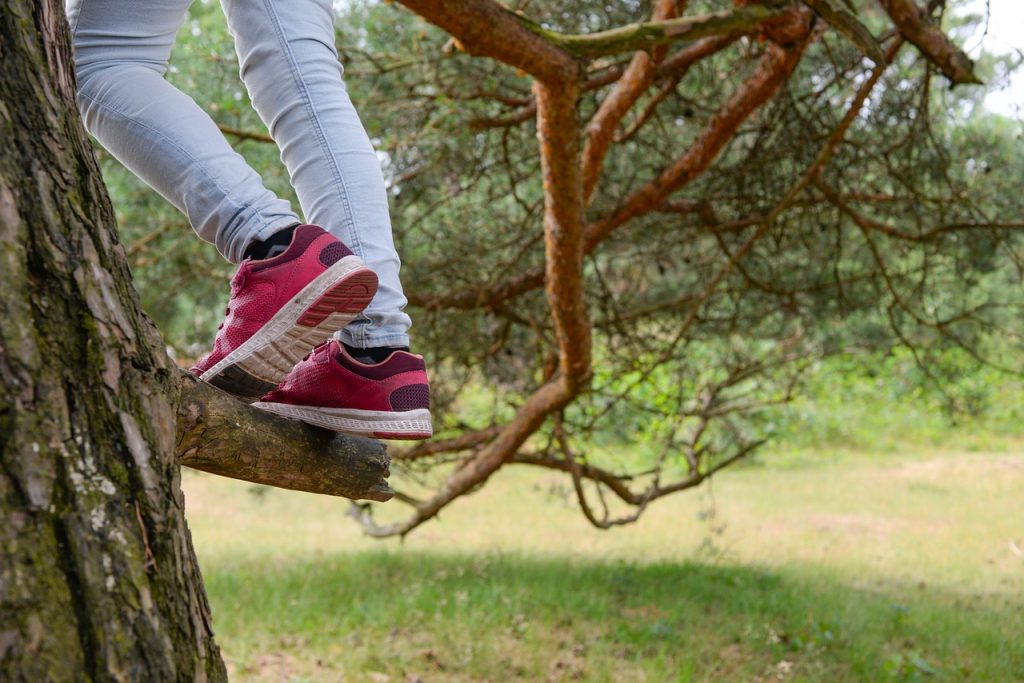 Years ago I took a group of college students on a field trip many hours from home. We stayed one night at a beautiful old estate, and when we first arrived we walked through the house and around the grounds. Almost immediately, as we moved into the large fields at the back of the home, one student noticed a huge old tree and gleefully ran to it and climbed up the branches far above the ground. Several other students followed her, and they sat together in their leafy perch and talked for hours about the books we were covering in class at the time, the connections of these books to life, and other important ideas.
I recently returned to the same estate, and pointed out the great tree to a couple of my own children. They marveled at it, as did I. As they climbed, I found myself surprised that more than a decade earlier I had never even considered the safety of those climbing the tree. The world has changed much during the ensuing years, and in the current environment I quickly realized that an extreme focus on safety would have been one of my first concerns if that event had happened today. To the point that I’m sure I would have told the students to climb down immediately.
That would have been tragic. Yet in our sadly “unwilded” and “newly indoor” world, things have changed, and not for the good. “The undiscovered country”, Shakespeare told us, “from whose bourn No traveller returns.” He was speaking, of course, of death. But could the same thinking be applied to the Generation of Screens—once in their grip, No Traveller really returns? Are we now prisoners of the walls and silicon processors that so dominantly define our age and control so many of today’s values?
Perhaps this goes too far, but does our concern about the loss of nature for so many young people extend far enough? Are we even aware of the problem?
One of the best things about the “Rewilding” report is that is doesn’t fall into the almost universal modern educational trap of recommending a solution for the kids only—while the parents stay inside with their thumbs addictively swiping screens. The parents are in fact counseled that to really see a change in their youth they’ll need to lead the way, by showing “them that we, too, love to play outside.”[39] If we added the words “work” and “read” to this sentence, it would be almost ideal. Plato and Aristotle would agree, I think. Thomas Jefferson, whose two favorite pastimes were walking in the wilds and reading, would certainly approve.
 The report recommends a number of options for “rewilding” our kids, including:
- “Explore together”
- “Establish Boundaries”
- “Work the Farm”
- “Take back roads…”
- “Fuel their love of games…”
- “…go rafting, take backcountry ski trips, and spend long days hiking…”
- “Age-Appropriate Adventure”
- “A Deep Connection With Animals”
- “Make Sports Fun Again”
The report in Outside magazine, the September 2018 issue, elaborates on all of these and includes many more suggestions; I highly recommend it. The report notes that it is of course important to establish effective safety and other guidelines and rules in all of this, and to make good choices. (Such a disclaimer is probably NECESSARY if Boomers and Gen Xers are reading. But it increasingly appears that risk is the major ingredient missing in the lives of what so many consider the Wimpy Generation.)
In short, with wise planning and implementation, each young person’s education can be greatly improved through outdoor activities…
 HARD STOP. Here is what one Millennial/Z teen told me when I read this article with him (this exact article, the one you’re reading now). He interrupted me at this point, after the disclaimer in the paragraph above, and said: “Fine. But it is just as important, maybe more important, to help them be strong. Far too often, parents equate ‘safe’ with ‘good’, and the result is just weakness. Many kids are held back by frightened, overprotective parents. Our modern society is so skewed to the side of coddling us that strength is usually missing.”
When I tried to point out the need for balance in this, he interrupted again: “In truth,” he said, “strength is ultimately the only safety. Adults know this. But they act like their kids will never need to be strong.”
I tried to reiterate my point about balance, and he shook his head. “Listen to me. At some point, the kid will have to walk out into the real world. Period.” Then, after a pause, “Prepare them now. That’s what we need from parents.”[40]
THE LONELY
“‘Difficulty’ is the name of an ancient tool
that was created purely to help us define who we are.”
—Paulo Coelho
 The “Rewilding” report also points out another truly profound reality:
“Today’s kids are lonelier than any previous generation.”[41]
This rings all too true to anyone who works a lot with youth. Modernity has taken its toll. The constant connection with screens, and indoor physical separation from other people, too often gets in the way of other more important connections—with parents, siblings, pets, nature, mentors, hobbies, work toward great goals and passions, books, talents and interests, challenging problems and overcoming them, the kind of lessons that are learned only from struggle, etc. These are seldom the skills learned on screens.
A funny joke circulating on the Internet reads something like this:
The Wi-Fi in my house went down for a few minutes
I had to spend time with my family.
They seem like good people…
But is this really funny? In Millennial/Z humor, the several youth I’ve asked assure me, it’s hilarious. For the rest of us, it’s pretty dark. (When one of my Millennial daughters read this, she said the whole joke was actually terrible. Why? Because she was horrified that the Wi-Fi went out at all. “That’s infuriating!” she exclaimed. Another daughter’s big concern was why the person didn’t have data on their phone so they could stay on the Internet even without Wi-Fi. What is she talking about????)
 Humor aside, today’s epidemic of so many teens and twenty-somethings (and even some in their thirties) who put off adult responsibility and remain weakly dependent on authority figures for…well, almost everything…may well be a natural result of the migration indoors.[42] The “snowflake” view of so many on college campuses is indicative of this trend. What is needed in today’s world—our homes, our communities, our learning environments—is a major injection of grit.[43] Of initiative, stamina, guts, and tenacity. And these things are nearly always learned away from screens.
In short, technology is a wonderful and powerful tool; few would dispute this. But it is not the only wonderful and powerful tool. A list of tools that are even more wonderful and more powerful include those just outlined above: parents, siblings, pets, nature, mentors, hobbies, work toward great goals and passions, books, talents and interests, challenging problems and overcoming them, the kind of lessons that are learned only from struggle, etc.
The great challenge—and fix—for Millennial/Z’s is to find and implement the right combination of ALL these tools. To be honest, this is true for non-Millennials as well. Put simply, it’s time to re-open the American mind. And get outside…a lot.
Note that doing this is going to be hard. Which is exactly what we need.
“…what you learn there doesn’t amount to a hill of beans compared to what you can find out yourself outdoors. Schoolhouses are made wrong. If they must be, they should be built in a woods pasture beside a stream, where you could wade, swim, and be comfortable in summer, and slide and skate in winter. The windows should be cut to the floor, and stand wide open, so birds and butterflies could pass through. You ought to learn your geography by climbing a hill, walking through a valley, wading creeks, making islands in them, and promontories, capes, and peninsulas along the banks. You should do your arithmetic sitting under trees…”
—Gene Stratton-Porter, Laddie
(For more on this topic, especially real solutions, see Hero Education by Oliver DeMille)
(For a Funny Video Click Here>>)
[1] Time, Joel Stein, May 9, 2013
[4] The Atlantic, Greg Lukianoff and Jonathan Haidt, September 2015
[10] The Atlantic, James Fallows, January/February 2015, citing Gallup
[13] The Atlantic, James Fallows, January/February 2015
[14] See The New York Times, Damien Cave, June 3, 2005.
[15] Military1.com, March 6, 2018
[18] American Institute for Economic Research, Max Gulker, December 2017, “Over Half of Millennials Identify as Socialist: Here’s How to Change Their Minds”
[19] See, for example: The New York Times, Michelle Goldberg, June 30, 2018, “The Millennial Socialists Are Coming”; The American Interest, Ben Judah, “What Is Millennial Socialism?”; chicagotribune.com, Heather Wilhelm, July 9, 2018, “Why are millennials so hot for socialism?”
[20] Ibid.
[21] Ibid.
[22] Ibid.
[23] See Politifact, Andy Sherman, February 13, 2018
[24] Independent.co.uk, Rachel Hosie, February 7, 2017
[25] See for example Battle Hymn of the Tiger Mother, by Amy Chua, Bringing Up Bėbė, by Pamela Druckerman, and “Are ‘Tiger Moms’ Better than Cools Moms?” (The Atlantic) by Julia Ryan, among others.
[26] Independent.co.uk, Rachel Hosie, February 7, 2017
[27] Parents.com, Melissa Willets, “6 Parenting Trends to Look Forward to in 2016”
[28] Wikipedia.org, “Free-range parenting”
[29] See Hero Education, Oliver DeMille
[31] Outside, multiple authors, September 2018
[36] Cited in Forest Therapy, 2018, by Sarah Ivens
[39] Outside, multiple authors, September 2018
[40] Ephraim DeMille (age 18 – son of my brother, William), August 2018
[41] Outside, multiple authors, September 2018
[43] See the following: Angela Duckworth, Grit; Claude Hamilton, Thick-Skinned; Claude Hamilton, Toughen Up.
Category : Blog &Citizenship &Community &Culture &Current Events &Economics &Education &Entrepreneurship &Family &Generations &History &Information Age &Leadership &Liberty &Mission &Producers &Prosperity
The Madison-Jefferson Debates: What Isn’t True
August 7th, 2018 // 1:22 pm @ Oliver DeMille
Reality or… Not?
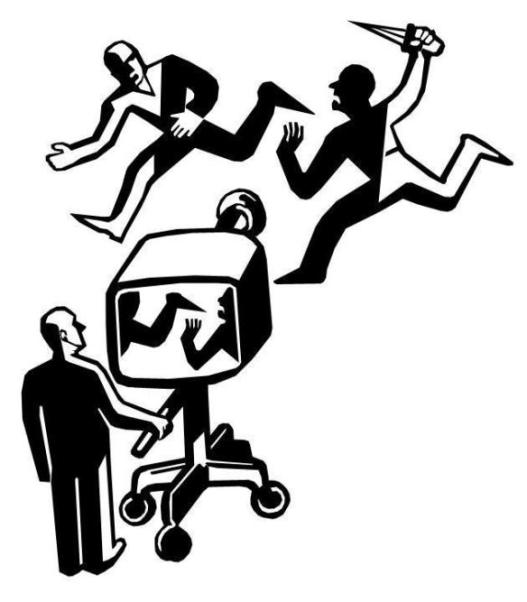 Some things just aren’t true, even if we think they are. Even if we are assured that “everyone” says they’re true; and even if the experts—almost always unnamed—have formed a consensus on the matter. Actually, the more you get know the experts, the more you realize they aren’t in consensus on almost anything.
Now, let’s be clear. A lot of what we’re told is true. But not everything. And that’s why sometimes it’s important to take a step back and really dig into things. Research. Find out. There are whole websites dedicated to setting the record straight about urban myths, generally accepted “truths”, quotes that are attributed to someone who never said those words, etc. We give “Pinocchios” to politicians who fib, and “Fact Checker” is a growing career field in the Information Age. (Is it really? Or does it just seem like it? Ask the question on Google and you can spend hours studying the various listings. Or ask the same question on social media and wade through hundreds, or even thousands, of opinions.)
Falling for Everything
Here are few items that most people consider truth. Unassailable. Set in stone. Incontrovertible.
- Lie Detector Tests
- DNA Evidence
- Election Polls
- Carbon Dating
Which are sure? Which are certain? Not all. Do you know which of these are fully accepted by the experts in the field—no exceptions? Answer: none. All of the above are rejected by at least some experts, even where a majority of experts agree. Have you studied the arguments, evidence, tests and conclusions on each? Or any? Note that even where the science is firm, like with DNA evidence for example, the way experts present such science is at times incomplete or misleading. Or, another example, even if the statistics used in a pre-election survey are accurate, the wording of a specific survey question can skew the entire result; and what if survey respondents are afraid or ashamed to tell the truth, like in the 2016 U.S. presidential election when many voters didn’t want people to know they planned to vote for Donald Trump? In such cases, the math and the science can be technically correct, but the way experts use them turn out “wrong”, because all the variables aren’t controlled.
In short, on many things we simply know less than we need to. And yet most people are comfortable making decisions based on things they know very little about—just taking someone’s word for it. It’s a habit for most people.
But things are not always what they seem. Truth isn’t always what the experts claim. This doesn’t mean that every crackpot theory questioning the experts is correct. But it does suggest that we should be independent thinkers who read the original data or studies where possible and scrutinize things for ourselves. Independent thinking is required to maintain independence. This is obvious, isn’t it? But most people don’t follow this approach.
Time to Think
For our Madison-Jefferson conversation this week, I’m recommending the attached article. It is a great read, and an important one. It demands that we look at things more deeply, and think more wisely. It calls us to research more, question more, dig deeper, and not just accept conclusions at face value. It is one of those articles everyone should read and deeply consider. Agree or disagree, this article will make you think!
Enjoy…
How Social Science Might Be Misunderstanding Conservatives >>
Category : Aristocracy &Blog &Business &Citizenship &Community &Constitution &Culture &Current Events &Economics &Featured &Generations &Government &History &Independents &Information Age &Leadership &Liberty &Mission &Politics &Producers &Prosperity &Science &Statesmanship &Technology